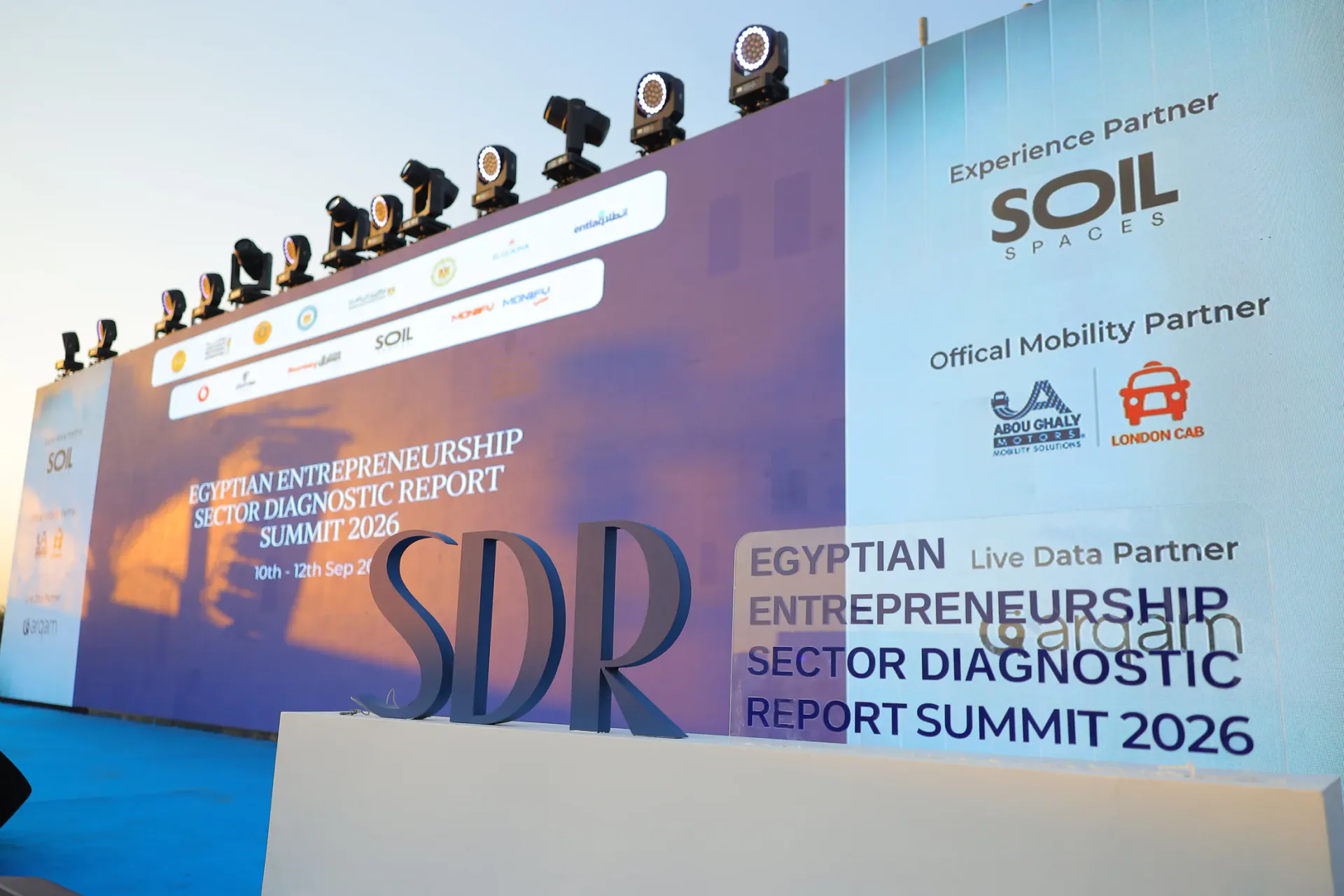
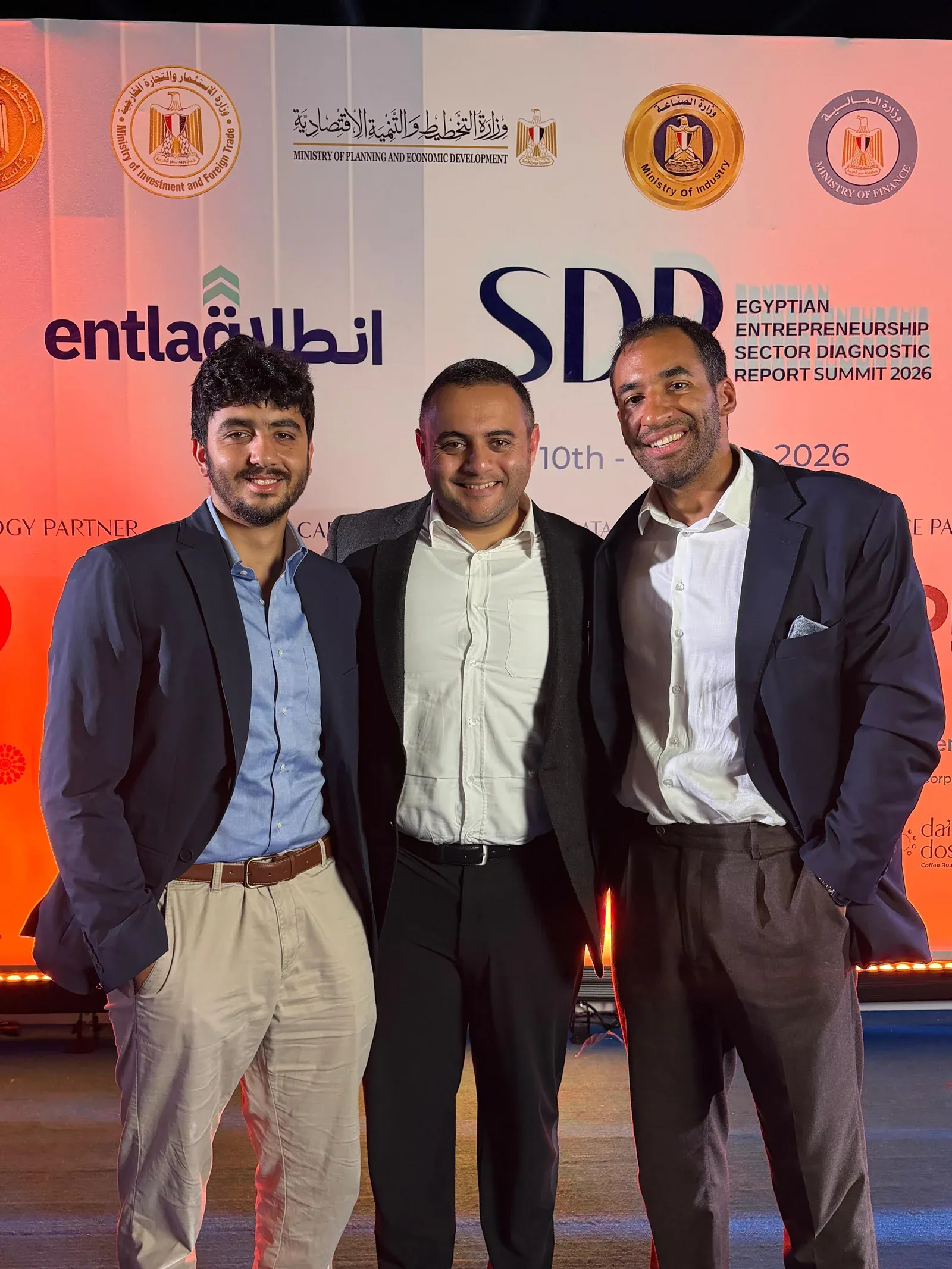
AutoPulse was invited to the fourth edition of the Egyptian Entrepreneurship Sector Diagnostic Report Summit (SDR 2026), held in El Gouna from 10 to 12 September 2026.
SDR is the closest thing Egypt has to an annual audit of its own startup economy. Entlaq, Cairo's premier investment and research think tank and an emerging patron of the Egyptian startup ecosystem, publishes the report every year. It maps investment flows, sector performance, legal frameworks, and funding access, benchmarked against peer markets including Morocco and Kenya.
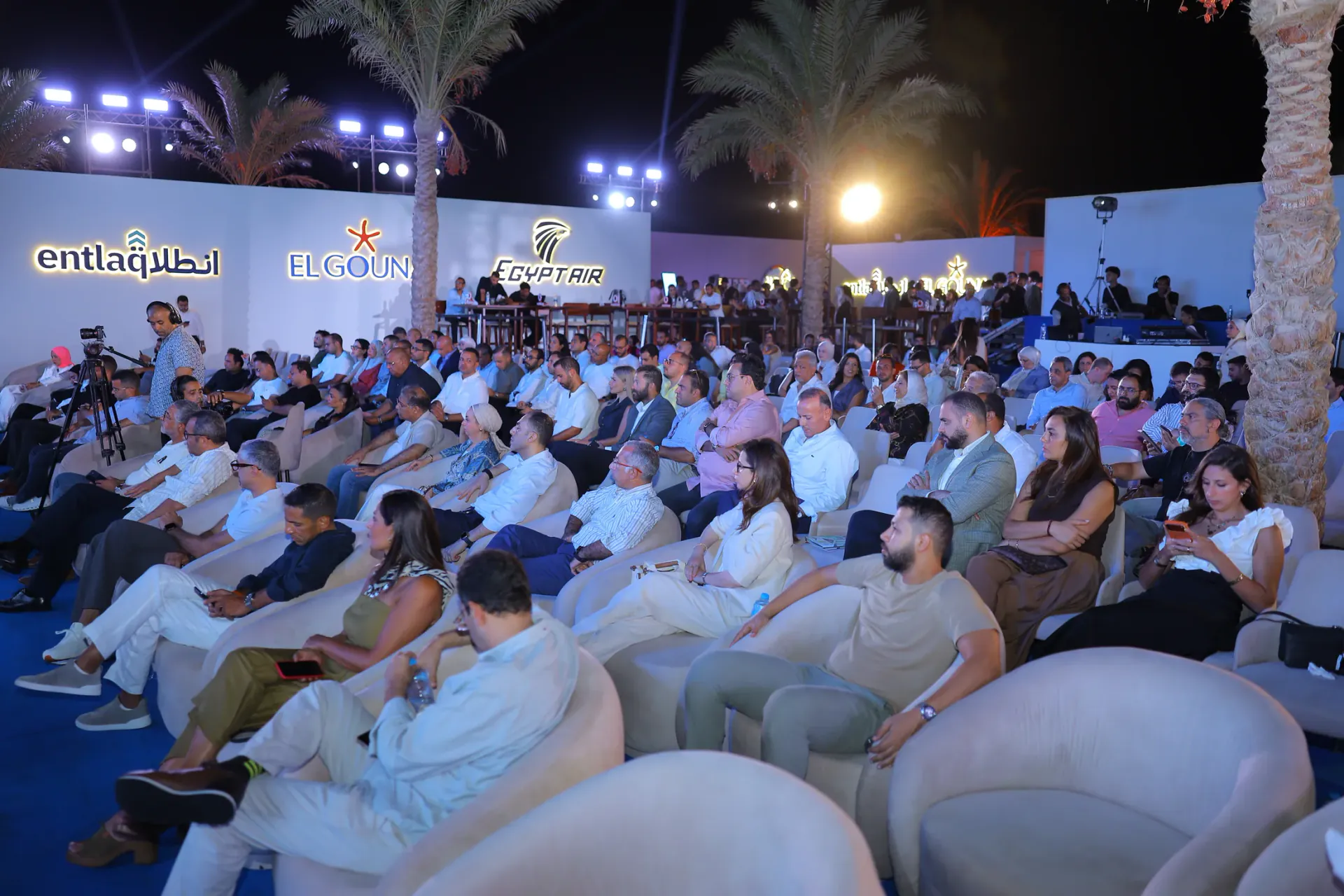
This year's theme was “Data × Innovation: Reimagining Egypt's Entrepreneurship Landscape.” The summit brought together more than 500 investors, founders, and ecosystem stakeholders from over 12 countries, with 29 keynote speakers.
What the report actually said
Entlaq's headline finding is that Egypt ranks third in MENA and first in Africa.
Egyptian startups raised USD 86 million across 12 deals in Q1 2026, behind the UAE at USD 625 million across 46 deals and Saudi Arabia at USD 157 million across 57 deals. The whole region pulled in USD 941 million that quarter, down 21.5% on the previous quarter and 37% year on year. Egypt held third place in a shrinking market.
Egypt ranks third in MENA and first in Africa.
Two other numbers stood out to us
First, around 80% of the ecosystem sits in Greater Cairo, and Greater Cairo accounts for around 85% of every company that has reached a Series A. That means four out of five serious startups in the massive country that is Egypt are within driving distance of one another.
The second is the funding gap. Capital in Egypt is concentrated in large rounds at the top, while Series B and pre-Series C financing has been thin. Egyptian companies get started and they get big, but the stretch in between is where the money runs out. The report also counts 132 entrepreneurship support initiatives and programs, 102 of them active and independent, so the support layer seems to be there while the growth capital is not.
Three ministers attended
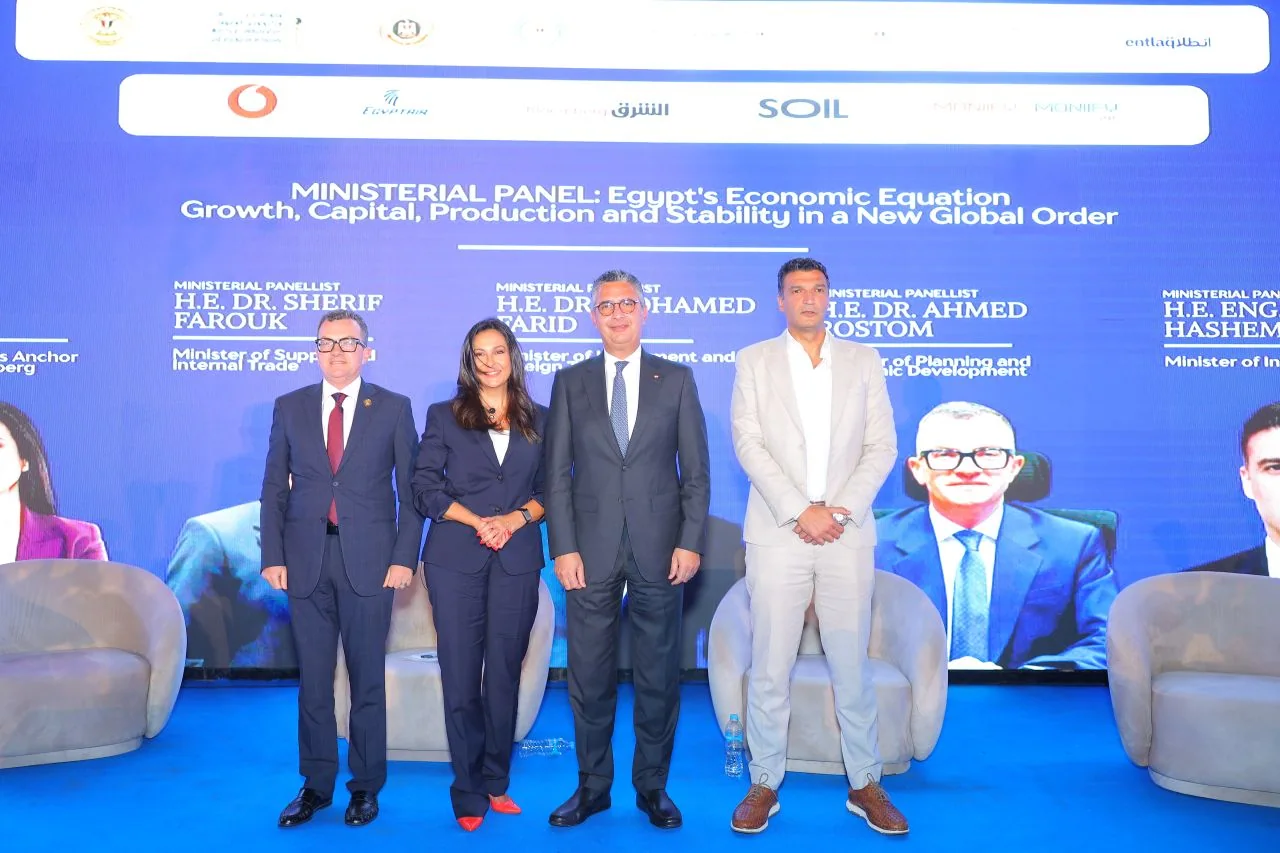
The ministerial session was titled “Egypt's Economic Equation: Growth, Capital, Production and Stability in a New Global System.”
Dr. Ahmed Rostom, Minister of Planning and Economic Development, set the ambitious target for the Egyptian ecosystem of hitting five unicorns in the near term.
Dr. Sherif Farouk, Minister of Supply and Internal Trade, said local production had risen from roughly 3.2 million tons to 5 million tons annually, framing supply-chain efficiency as an opening for startups and SMEs.
Eng. Khaled Hashem, Minister of Industry, argued that Egypt now has to turn its infrastructure, skills, and entrepreneurship into something that creates jobs and raises productivity.
Veteran founders also took the stage
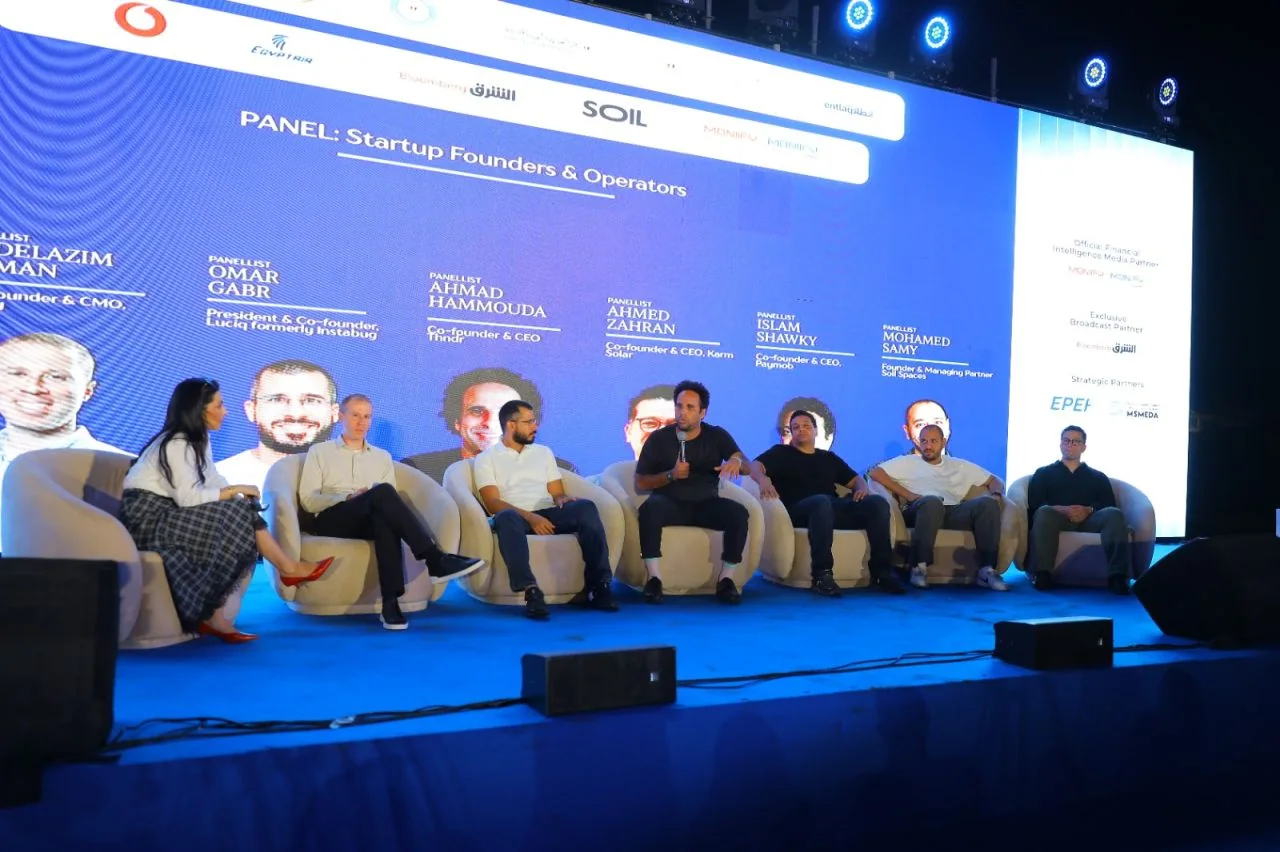
Perhaps the most educational segment of the summit brought some of the most seasoned operators together on one panel.
Mustafa Kandil, CEO and Co-Founder of Swvl, shared the inspiring rise, downfall, and rise-again story of his company. He talked about Swvl's path from USD 100,000 in revenue to USD 100 million in 2022—a five-year run. He highlighted how venture-backed companies must grow faster than traditional businesses while keeping unit economics intact and building the operational capacity to survive that speed.
We also sat in on sessions with Ahmad Hammouda of Thndr, Mostafa El Beltagy of Nawy, and Omar Hagrass of Trella. In their unique styles and sectors, all shared a common lesson: the Egyptian market is unpredictable, but its upside and market size are massive.
The logistics panel
A dedicated logistics session brought together Reliance Egypt Group, Egytrans-NOSCO, and Trella. Between them they covered the whole chain: Reliance runs bulk commodity trading, port operations, transportation, and fleet maintenance; Egytrans is the publicly listed transport group whose NOSCO acquisition gave it the largest heavy-lift and specialised-transport fleet in Egypt; and Trella is the trucking marketplace that works with both of these players alongside thousands of independent operators.
The panel discussed ways to move the trucking industry forward and formalize more of the sector. More than 90% of trucks in Egypt are owned by independent operators that largely work with minimal software or tracking.
What AutoPulse actually did there
We met with several VCs and funds, and deepened relationships with investors who already know us.
We met a fleet-management software company operating across Egypt and Saudi Arabia, and mapped out where our engine-level data complements its GPS and dispatch layer.
We also met owners of fleets running thousands of heavy trucks and light commercial vehicles, including one of Egypt's largest vehicle groups.
Three things we took away
The funding gap is at growth stage, not seed stage. Egypt has built a strong pipeline of early companies and a thin bridge to the next tier. Any startup here should plan its capital strategy around that gap existing rather than hoping it closes.
Concentration in Cairo is a distribution opportunity. With 79.8% of the ecosystem sitting in one metro area, almost every meaningful conversation is within a 40-minute drive.
Measurement is becoming the language of policy. Every minister on stage talked about productivity, added value, and real economic impact. All three are measurement problems before they are investment problems, and vehicles are one of the largest unmeasured asset pools in the country.
Where AutoPulse sits
AutoPulse is a sensor and a platform. The sensor plugs into the vehicle, of any kind. The platform turns live engine data into fault alerts, battery health, fuel cost per trip, and driving scores.
Today we cover vehicles from sedans to heavy trucks on the OBD-II protocol, with paying subscribers in Egypt and the UAE.
Thanks to the Entlaq team for pushing Egypt's ecosystem forward, and to everyone who was generous with their time across the three days.
If you run a fleet and any of this resonates, email us at info@auto-pulse.co.
Email info@auto-pulse.co