
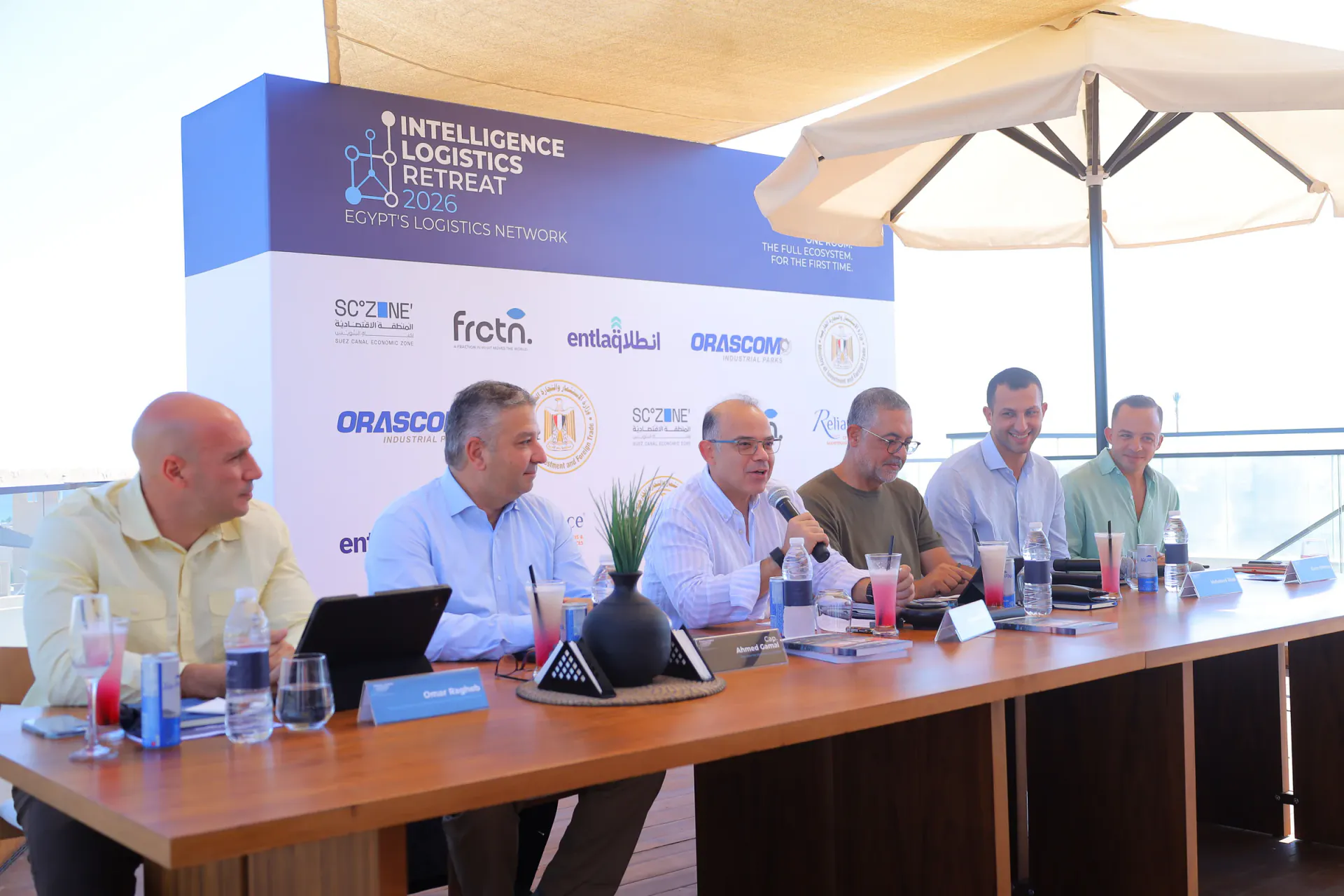
We spent 3 days at the Logistics Intelligence Retreat in North Coast, Egypt, hosted by FRCTN, ENTLAQ, and Suez Canal Authority.
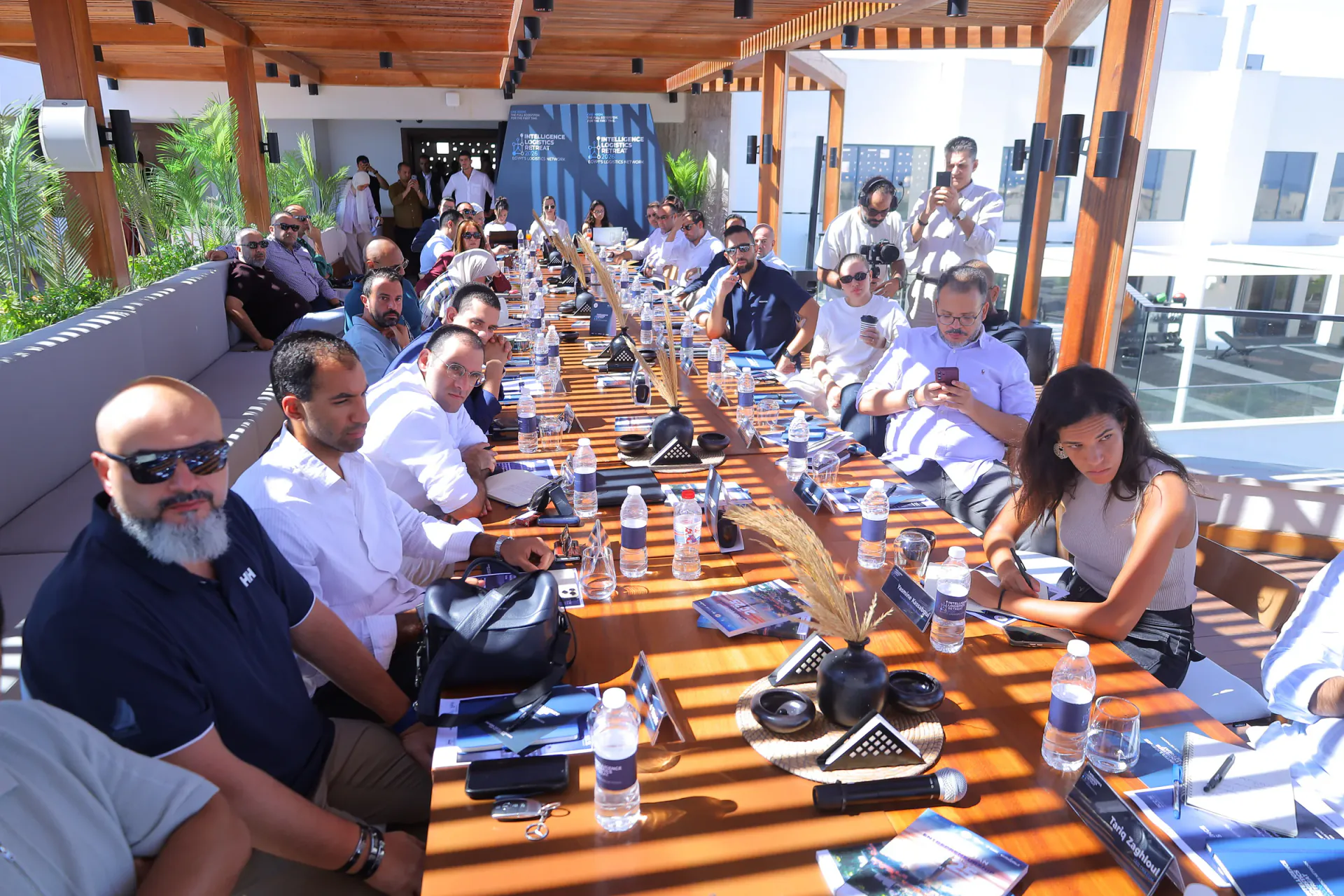
The summit brought together 70 of the biggest logistics operators in Egypt were in one room. Sea freight, cold chain, warehousing, land freight, tech, legal and policy. Dr. Mohamed Farid Saleh, Egyptian Minister of Investment, joined us on the roundtable.
Most of the problems on the table sat outside the vehicle
The roundtable spent a lot of time discussing legislation, customs clearance times, shipping line capacity and port throughput. While those are real problems, they move slowly, and they sit with regulators and multinationals rather than with the operator running tens of trucks on a daily basis.
AutoPulse talked about the one asset every operator in that room owns outright: the truck.
A truck is a “computer on wheels”
A modern commercial vehicle runs 30 or more electronic control units covering engine, transmission, brakes, emissions and telematics. They talk to each other across several internal networks and produce hundreds of megabytes of raw data every hour the vehicle is moving.
Every truck in every fleet in this country is producing that data right now (including a 20 year-old Mercedes-Benz Actros MP3). It includes:
- Fuel burn per trip, per driver, per route.
- Engine load, coolant temperature, oil condition.
- Harsh braking, harsh acceleration, idling minutes.
- Fault codes that appear weeks before a breakdown.
Every truck (light or heavy) on the road can already output all of this. The opportunity to the fleet owners is reading it.
What fleet owners see today is a dot on a map
GPS location and overspeeding alerts is the standard product in the fleets market in all of MENA. Operators still pay a hefty monthly fee for just these two rudimentary services.
Fleet owners can tell where the truck is - but what they can't see is when an injector starts to fail. They can't spot a driver who burns 10% more fuel than the average driver from that fleet on the exact same route and conditions.
Why this matters more now
FRCTN is opening up heavy trucks as a new investment asset class in Egypt. Fractional ownership bringing retail money into a strong ROI asset. This is happening just the Egyptian market experiences a critical undersupply of heavy trucks - only 90,000 truck heads, and 102,000 trailers in Egypt.
Think about what that requires. An investor buying 5% of a truck needs to see its utilisation, its maintenance history, its residual value and its failure risk before writing a cheque. Measurement becomes a condition of the transaction.
The same logic applies to insurance pricing, extended warranty, resale value and any lender financing a fleet. All four products depend on the same missing layer: vehicle data that someone has actually read.
We think this layer is valued at USD 100M+ across Egypt and the Gulf over the next 5 years, and it's currently wide open.
Three things we took away from the Logistics Summit
The hardest problems in Egyptian logistics are policy problems and they move on policy timelines. Moving the needle at the vehicle-level is more within reach..
Operators already hold a lot of data. Fleet operators have rich maintenance history, proper geotagging and overspeeding history - but they need someone to turn it into a decision, which makes this a software problem..
The moment trucks become an investable asset, measurement becomes mandatory rather than optional..

Where we sit
AutoPulse is a sensor and a platform. The sensor plugs into the vehicle. The platform turns live engine data into fault alerts, battery health, fuel cost per trip, driving scores and service timing.
Today we cover anywhere from Sedans to Heavy trucks on OBD-II protocol.
If you are a fleet owner and any of this resonates, shoot us an email on info@auto-pulse.co
Email info@auto-pulse.co